Ny artikkel om gamle steinbrudd i Egypt

(For Norwegian readers)
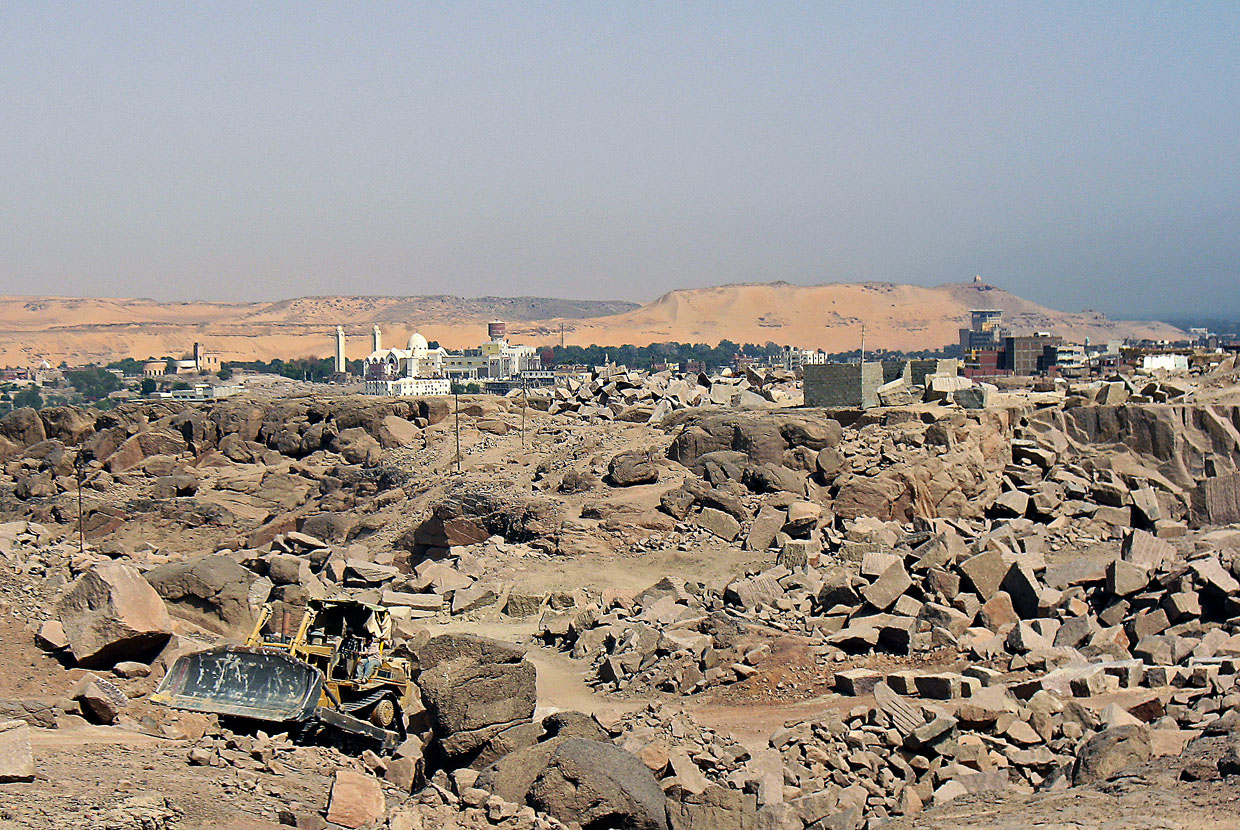
Baksiden av medaljen: Moderne steinbrytning i Aswan foregår i de faraoniske granittbruddene.

Baksiden av medaljen: Moderne steinbrytning i Aswan foregår i de faraoniske granittbruddene.

Norsk Egyptologisk Selskap startet i 2010 sin egen bulletin med artikler og nyhetsstoff om Egypt. For det andre nummeret (vår 2011) har jeg sammen med Tom Heldal skrevet en liten artikkel om bevaring av landets gamle steinbrudd.

Utgangspunktet for artikkelen er prosjektet “QuarryScapes” Les videre

Posted in Ancient Egypt, Archaeology, New publications, Old quarries | Tagged , , , | Leave a comment

Online papers on rock art at Gharb Aswan (West Aswan)

Mickey Mouse at Gharb Aswan

Mickey Mouse at Gharb Aswan

Over the last few years Gharb Aswan, at the west bank of the Nile just opposite Aswan city, has emerged as an important rock art location. This is due to new surveys by the QuarryScapes project and the Aswan-Kom Ombo archaeological project. Dozens of sites with thousands of images ranging in time from the Epipalaeolithic (5-7.000 BC) to the Roman period (and later) have been discovered. Continue reading

Posted in Ancient Egypt, Archaeology, Rock art | Tagged , , , , | 1 Comment

The Late Palaeolithic rock art in Wadi Abu Subeira (Egypt)

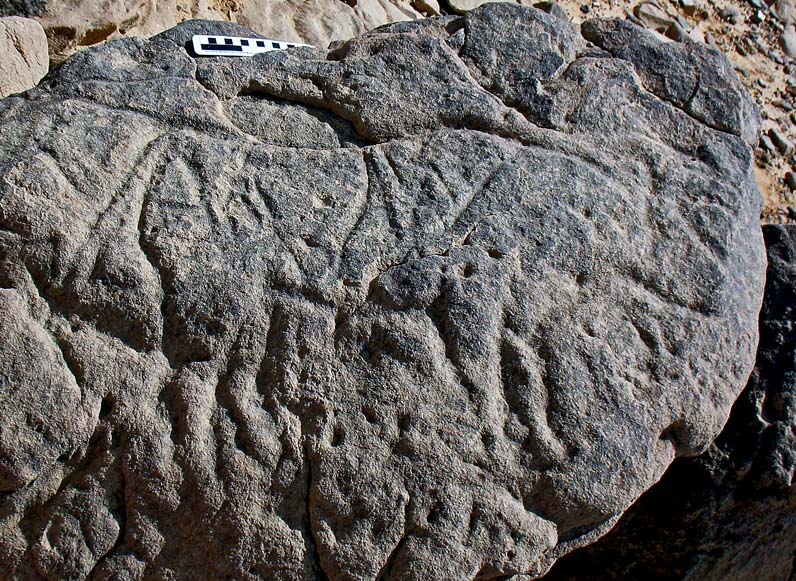
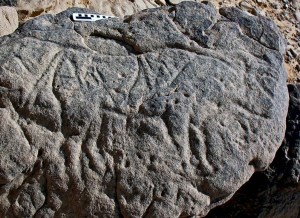
Late Palaeolithic bovid in Wadi Abu Subeira

Late Palaeolithic bovid in Wadi Abu Subeira

A few years ago Egypt’s third Late Palaeolithic rock art site was discovered by SCA in Wadi Abu Subeira, 12 km north of Aswan on the east bank of the Nile. Since then SCA has continued survey and found several additional, fantastic Late Palaeolithic rock art locations in the large wadi.

New publications are forthcoming by Adel Kelany and his team, but for those interested, here is the so far only published paper (with kind permission by the Sahara journal). It is describing the site known as CAS 6, which is threatened by modern mining, but now supervised and guarded by SCA:

  • Storemyr, P., Kelany, A., Ahmed Negm, M., Tohami, A., 2008. More “Lascaux along the Nile”? Possible Late Palaeolithic rock art in Wadi Abu Subeira, Upper Egypt. Sahara 19, 155-158. PDF (0,5 MB)
Posted in Ancient Egypt, Archaeology, Rock art | Tagged , , | 4 Comments

Turmoil in Egypt – the cultural heritage situation

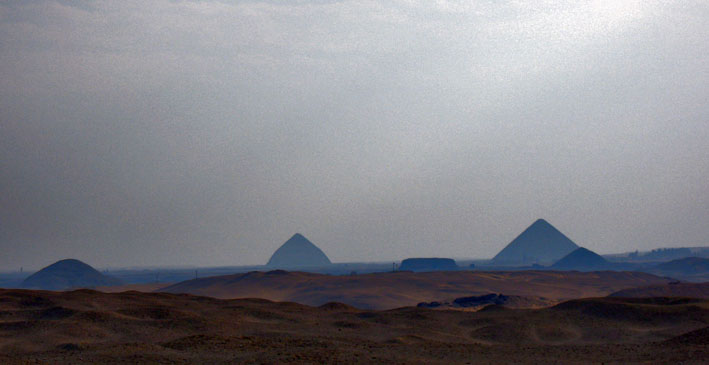
Seen from Saqqara to the pyramids at Dashur

Seen from Saqqara towards the pyramids at Dashur

As mass protests continue in Egypt, the situation for the cultural heritage of the country is getting somewhat clearer. This short post is just intended to inform that the heritage situation is monitored at several websites.

Continue reading

Posted in Ancient Egypt, Archaeology | Tagged , , | Leave a comment

Ancient Egyptian quarries: A literature update 2007-2010

Old Kingdom workplace for small vessels at Chephren's QuarryOver the last couple of years a wealth of new studies on Ancient Egyptian quarries has been published. There are overviews, investigations about technology and social organisation, case studies with a view to landscape archaeology and papers highlighting the acute conservation problems at many quarry sites. Here’s a very long update from 2007-2008 till today! Continue reading

Posted in Ancient Egypt, Archaeology, New publications, Old quarries | Tagged , , | 1 Comment

Cleopatra’s Needle: Egyptian concern about the NYC obelisk

The current south face of the NY obelisk in Alexandria in the 1870s and in Central Park in 2008. Very little weathering has taken place over these c. 140 years. Note that the current west face is more weathered. Images are enhanced. Sources: Flickr (Brooklyn Museum) and Wikipedia

The current south face of the NY obelisk in Alexandria in the 1870s and in Central Park in 2008. Very little weathering has taken place over these c. 140 years. Note that the current west face is more weathered. Images are enhanced. Sources: Flickr (Brooklyn Museum) and Wikipedia

A few days ago Secretary General Zahi Hawass of the Egyptian Supreme Council of Antiquities expressed grave concern about the condition of Cleopatra’s Needle of NYC and even threatened to take the obelisk back to Egypt if care is not taken to conserve it. This has triggered much discussion. Here’s an update after my recent post on the obelisk’s weathering.

In a blog entry on DrHawass.com, Zahi Hawass states his dismay “at the lack of care” and implies that damage to the obelisk has happened since it arrived in Central Park more than a hundred years ago. Famous for his efforts to repatriate Egyptian monuments that went abroad in the colonial era, Dr. Hawass challenges the US authorities to restore the obelisk or he “will take the necessary steps to bring this precious artifact home and save it from ruin”. Continue reading

Posted in Ancient Egypt, Archaeology, Monument conservation, Weathering history | Tagged , , , , , | Leave a comment

A Mauerzahn at Grünenfels castle ruin (CH): Surviving 2011?

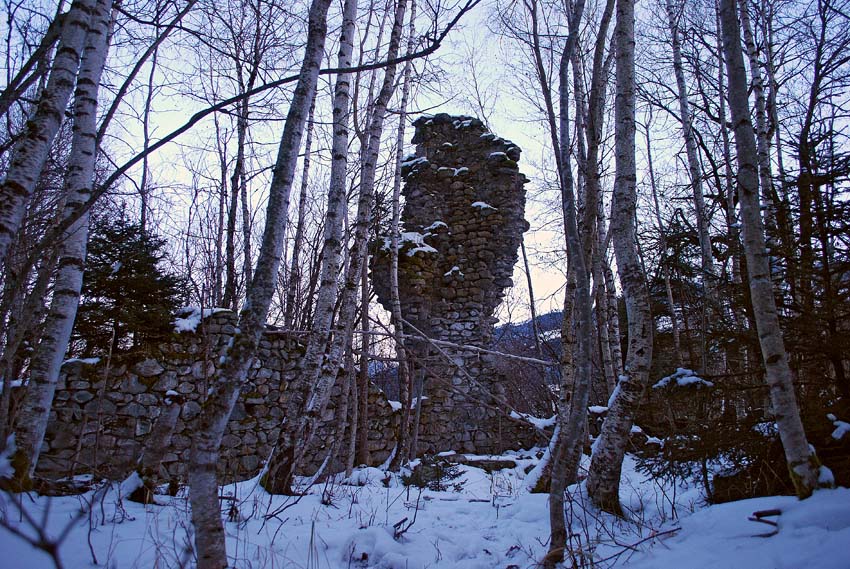
Grünenfels 30 December 2010

Grünenfels 30 December 2010

Switzerland has a wealth of medieval castle ruins. In the Canton of Graübunden they are particularly numerous with, for example, the valley of Vorderrheintal (Surselva) displaying no less than about 50 ruins. Some are almost gone, others are kept in good repair and a few impressive structures are left to the elements.

Since ten years I have monitored some ruins and as 2010 is drawing to an end, the question is whether a “pinnacle” or Mauerzahn at Grünenfels by Waltensburg will survive 2011? Continue reading

Posted in Ruins, Switzerland, Weathering history | Tagged , , , , , , | Leave a comment

Cleopatra’s Needle: Tracing obelisk weathering with old photos

The New York obelisk at Alexandria in the late 1850s

The New York obelisk at Alexandria in the late 1850s. Source: PPOC

Historic photos are essential for research on monument weathering. With free internet access to archives, such photos are now easier to find than previously. Below, I will show the case of Cleopatra’s Needle, a famous Ancient Egyptian obelisk transferred to New York in 1880. Its severe weathering occupied Erhard Winkler, a pioneer on the history of monument weathering. But Winkler overlooked a key photo that would have seriously altered his interpretations. Continue reading

Posted in Ancient Egypt, Archaeology, Monument conservation, Weathering history | Tagged , , , , , , , , , , , , | 11 Comments

Stone weathering at the westernmost coast of Norway

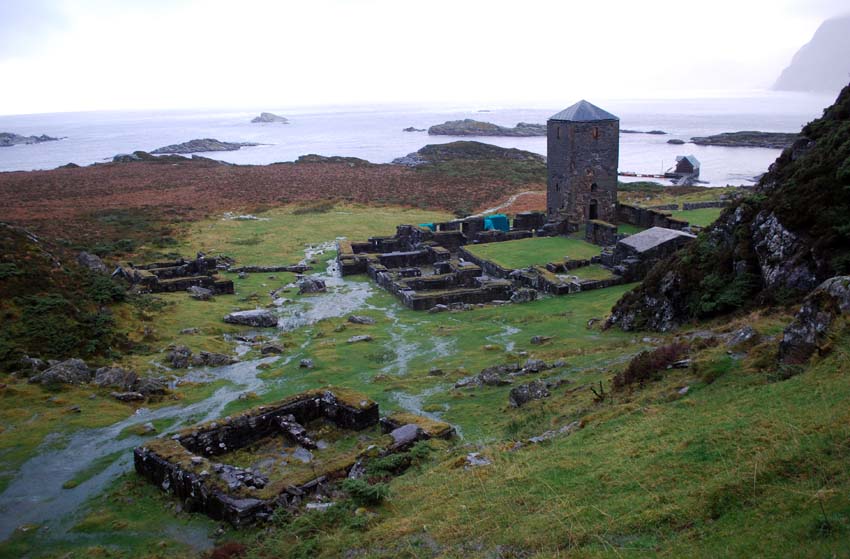
Selja abbey ruins during heavy rain in November 2010

Selja abbey ruins during heavy rain in November 2010

As probably one of only very few monuments globally, the ruined Selja medieval abbey off the westernmost coast of Norway is built from a metamorphic olivine stone (dunite) rich in talc. The combination of a hard olivine matrix and soft talc veins makes the stone weather in a peculiar way – and it’s not the soft mineral that disappears, but the hard one! Continue reading

Posted in Archaeology, Monument conservation, New projects, Norway, Ruins, Weathering history | Tagged , , , , , , | 2 Comments

Tüfels Chilen: Quarrying in the Church of the Devil

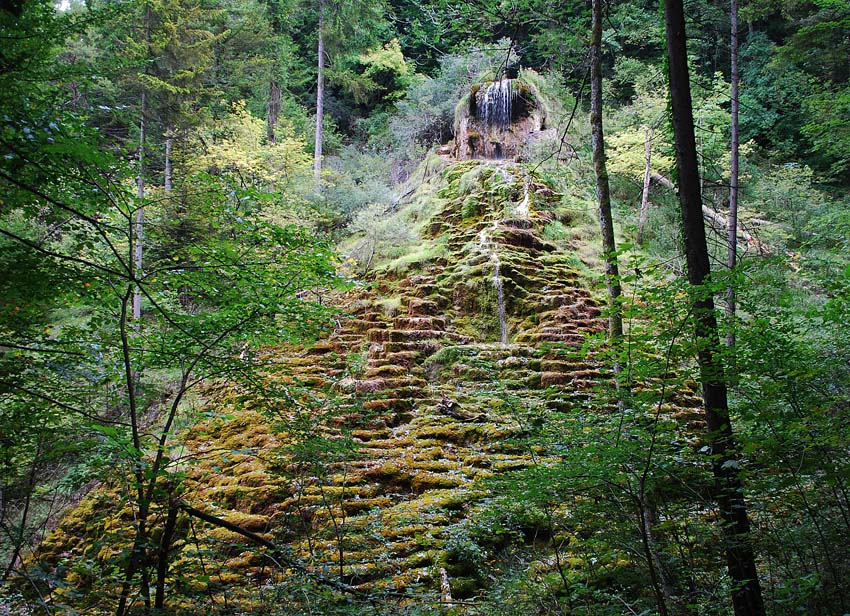
"Tüfels Chilen" - a reamarkable calcareaous tuff quarry in Switzerland

"Tüfels Chilen" - a reamarkable calcareaous tuff quarry in Switzerland

Quarrying in the old days was often carried out at astonishing places, leaving very special formations – and legends – behind. The “Devil’s Church” or Tüfels Chilen in the Canton of Zurich is such a remarkable, combined work of nature and man.

But why a church – and why does the devil appear?

* Continue reading

Posted in Archaeology, Old quarries, Switzerland | Tagged , , , | Leave a comment